

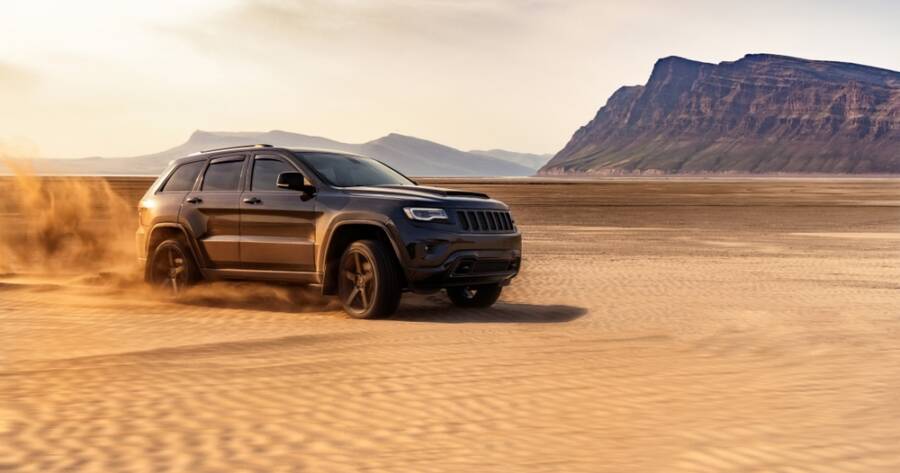
The Jeep Grand Cherokee is at the center of a significant inventory surplus, creating a buyer’s market ripe with potential deals. The unexpected surplus, driven by high market day supply and paused production, challenges traditional pricing strategies. As dealerships strive to clear their lots, informed buyers can seize opportunities to negotiate favorable terms.
Understanding the Jeep Grand Cherokee Inventory Surplus
The Jeep Grand Cherokee, a staple in the SUV market, is currently facing a significant inventory surplus. This situation is not isolated to the Grand Cherokee alone but extends across various Jeep models, including the 2023 and 2024 models (source).
Dealerships are experiencing a backlog, with vehicles piling up on lots, creating a buyer’s market where consumers can potentially secure attractive deals on new Jeeps.
Factors Contributing to the Surplus
Several factors contribute to the current surplus of Jeep vehicles. One major factor is the high Market Day Supply (MDS) for Jeep models, which exceeds a 100-day supply. This indicates that Jeeps are spending too much time on dealer lots, highlighting the urgency for dealerships to move inventory (source).
Additionally, Stellantis, Jeep’s parent company, has paused production of the Jeep Wrangler and Grand Cherokee due to excess inventory, although the specific reasons and duration of the pause were not disclosed (source).
Pricing and Incentive Challenges
Despite the high inventory levels, Stellantis is not offering significant incentives to move the surplus, which contrasts with typical industry practices where incentives are used to boost sales and reduce inventory. Jeep’s pricing strategy remains high, with average transaction prices reaching luxury levels, potentially deterring potential buyers (source).
High prices have contributed to the difficulty in selling the Wrangler and Grand Cherokee, with sales down 33% and 19% respectively in the first half of the year compared to the same period in 2023 (source).
Depreciation and Model-Year Pressure
Another reason Jeep Grand Cherokees may feel more affordable now is the pressure created when older model-year vehicles remain unsold while newer versions arrive. A 2024 Grand Cherokee sitting on a dealer lot can quickly become less attractive once 2025 models are available, even if the differences between the vehicles are modest. This gives dealers a stronger reason to reduce prices, offer better trade-in terms, or accept lower negotiated offers, especially on trims or colors that have been harder to sell.
Depreciation also plays an important role for shoppers comparing new, used, and certified pre-owned Grand Cherokees. When new vehicles are discounted, recent used models often need to be priced lower to remain competitive. That can create a ripple effect across the market, giving buyers more choices at different price points. For anyone considering a Grand Cherokee, comparing leftover new inventory with lightly used options can reveal whether the better value comes from a dealer discount, a lease offer, or a pre-owned model with lower upfront cost.
Opportunities for Buyers
The surplus of Jeep models, including the Grand Cherokee, presents a potential opportunity for consumers to negotiate better deals, as dealerships are eager to clear their lots. CarEdge emphasizes the importance of using data to negotiate better deals on Jeeps.
With high inventory levels, informed buyers have the opportunity to negotiate prices effectively, leveraging market conditions to their advantage (source). Auto brokers suggest caution when purchasing surplus 2024 models, as they may not hold their value well, and recommend considering leasing options due to aggressive deals from manufacturers like Stellantis (source).
Why You Should Learn More About the Jeep Grand Cherokee
The current surplus of Jeep Grand Cherokees presents a unique opportunity for potential buyers to secure favorable deals. Understanding the factors contributing to this surplus, such as high pricing strategies and lack of manufacturer incentives, can empower consumers to make informed purchasing decisions.
By leveraging market conditions and utilizing available resources, buyers can navigate the complexities of the current Jeep market effectively. Staying informed about these dynamics is crucial for anyone considering a Jeep purchase in the near future.