

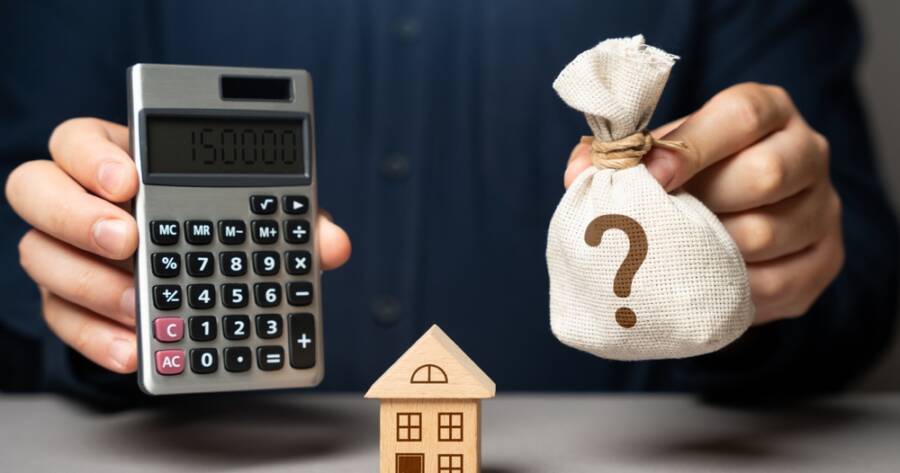
In 2026, understanding home value requires navigating a complex landscape shaped by market conditions, location, and property features. With methods ranging from professional appraisals to online estimators, homeowners must discern the most reliable approaches. As eco-friendly upgrades gain prominence, regional market trends and strategic improvements become pivotal in maximizing property worth and making informed real estate decisions.
Understanding Home Value in 2026
As the real estate market evolves, understanding the value of a home in 2026 requires a comprehensive approach. Home values are influenced by a myriad of factors, including market conditions, location, and property features.
In 2025, the national median existing-home price was $415,200, reflecting a modest growth of 2.1% year-over-year (source). This trend underscores the importance of grasping these dynamics for homeowners aiming to assess their property’s worth accurately.
Methods to Determine Home Value
There are several methods to determine a home’s value, each serving different purposes. Market value, fair market value, appraised value, and assessed value are commonly used metrics (source). Market value is often used to set a sale price, while appraised value is crucial for securing a mortgage. Assessed value, on the other hand, is used for tax purposes.
Professional appraisals provide the most accurate valuations by considering factors like condition, location, and comparable sales. However, online estimators offer quick estimates but can vary significantly, making them less reliable for major financial decisions.
Factors Influencing Home Value
Several key factors influence home value, including location, size, condition, and school district quality. Market conditions also play a significant role. Strategic home improvements, such as bathroom upgrades and energy-efficient additions, can significantly increase property value.
In 2026, eco-friendly features are becoming essential in determining home value. Buyers are willing to pay premiums for homes with green upgrades like solar panels and high-efficiency windows, which reduce utility costs and offer sustainable living (source).
Professional Appraisals vs. Online Estimators
While online valuation tools like Automated Valuation Models (AVMs) provide quick estimates by analyzing local market data, they may lack accuracy due to their inability to assess a home’s unique features or condition (source). Consulting a real estate agent for a Comparative Market Analysis (CMA) can provide a more accurate home valuation.
CMAs consider recent sales, current competition, and specific property features to determine a data-backed price range. For unique or high-value properties, a professional appraisal may be necessary to set an appropriate list price, especially in areas with limited comparable sales data.
Market Trends and Regional Variations
The housing market in 2026 is expected to show regional variations, with some areas experiencing growth while others face declines due to factors like climate risks and insurance costs. The Northeast and Midwest are expected to see price growth due to tight inventory and stable labor markets, while the South and West may experience cooling due to slowing migration and increased housing supply. Understanding these trends helps homeowners set realistic expectations for their property’s value (source).
Practical Ways to Increase Home Value
Homeowners can enhance their property’s value through targeted improvements such as upgrading bathrooms, replacing garage doors, and enhancing curb appeal. Energy-efficient upgrades are increasingly valued by buyers.
In 2026, appraisers will focus on specific green features that offer high returns on investment, including solar panels with battery storage, EV charging stations, and smart thermostats. These enhancements not only increase market appeal but also align with future market trends, securing a sound investment (source).
Why You Should Learn More About Home Value
Understanding the value of a home in 2026 is crucial for making informed decisions about selling, refinancing, or appealing property taxes. Accurate home valuation impacts borrowing capacity, tax assessments, and the ability to negotiate effectively in real estate transactions.
As the market continues to evolve, staying informed about valuation methods, market trends, and strategic improvements can help homeowners maximize their property’s worth and make sound financial decisions.